Learn to nourish yourself.
Cooking gives young people practical skills they can take home: preparing vegetables, building a meal around beans or lentils, and feeding themselves with confidence.

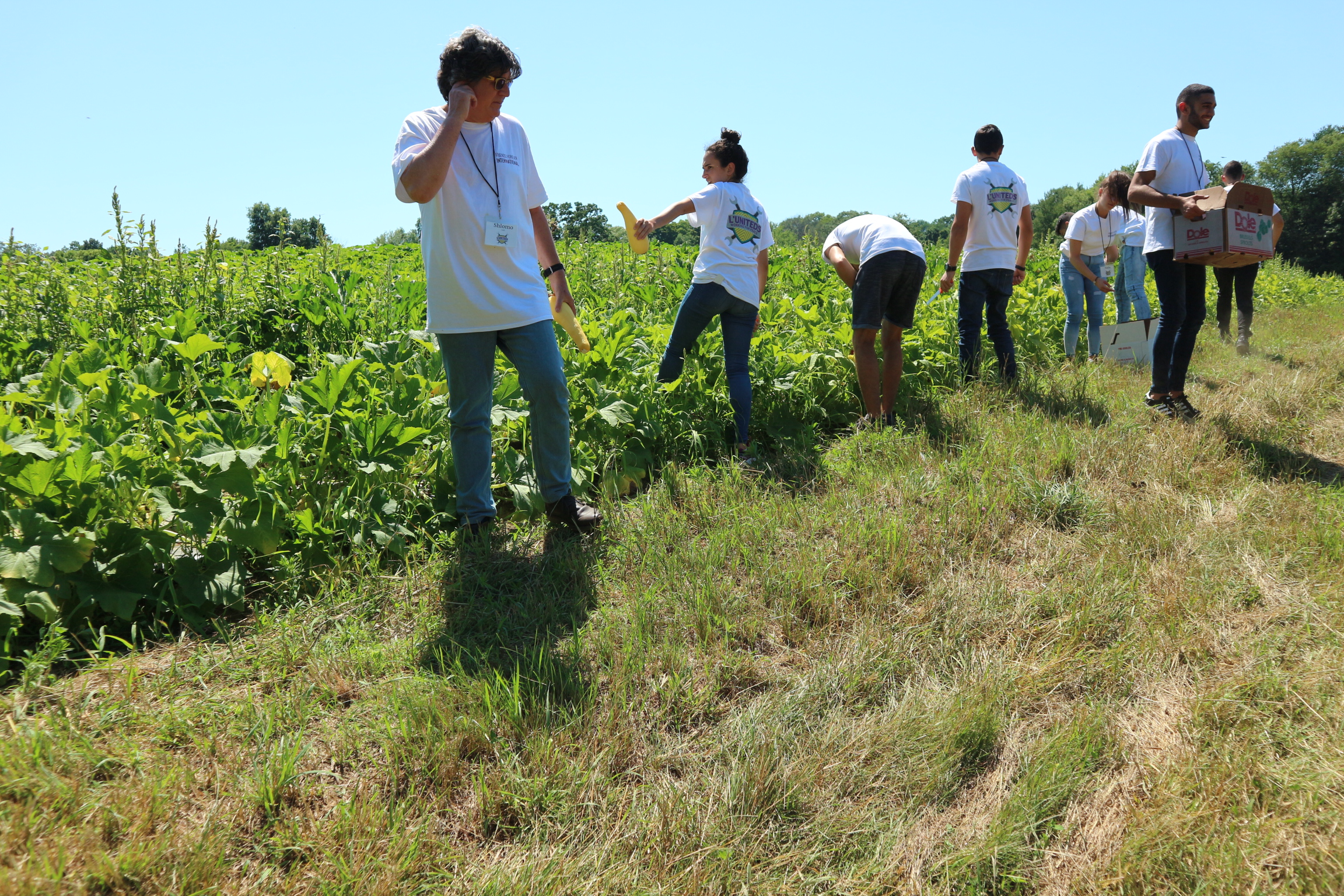
Why plant based
At FFI, care for others is something we practise every day. That includes the food we prepare, the animals affected by our choices and the land and water those choices require.
Explore our reasonsplant based program meals
Our commitment since 2022
To our knowledge, FFI is the only global youth leadership program serving fully plant based meals across all its campuses.
Cooking gives young people practical skills they can take home: preparing vegetables, building a meal around beans or lentils, and feeding themselves with confidence.
Preparing a meal means thinking about someone else’s needs. Participants learn to check ingredients, listen to one another and share the work. A common plant based menu gives people from different backgrounds a starting point for eating together.
Food connects our daily lives with animals, farms, water and forests. Serving plant based meals puts compassion into practice and helps us explore how personal choices affect the wider world.
Food choices have consequences
A 2023 study compared the diets of 55,504 people in the UK. Its estimated environmental impacts were substantially lower for vegan diets than for diets containing at least 100 grams of meat a day.
75%lower greenhouse gas emissions
Vegan diets compared with diets containing at least 100g of meat per day.
Relative impact, with the higher meat group set to 100. Rounded differences from the study’s estimates; these are comparisons between diets, not measured savings from FFI programs.
Scarborough and colleagues, Nature Food, 2023. The analysis combined participants’ dietary data with environmental assessments of food production. Results varied by production method and source.
Vegan diets were estimated at 25.1% of the higher meat group’s emissions, 25.1% of its land use and 46.4% of its water use. The published uncertainty intervals are available with the study.
Read the Oxford research summary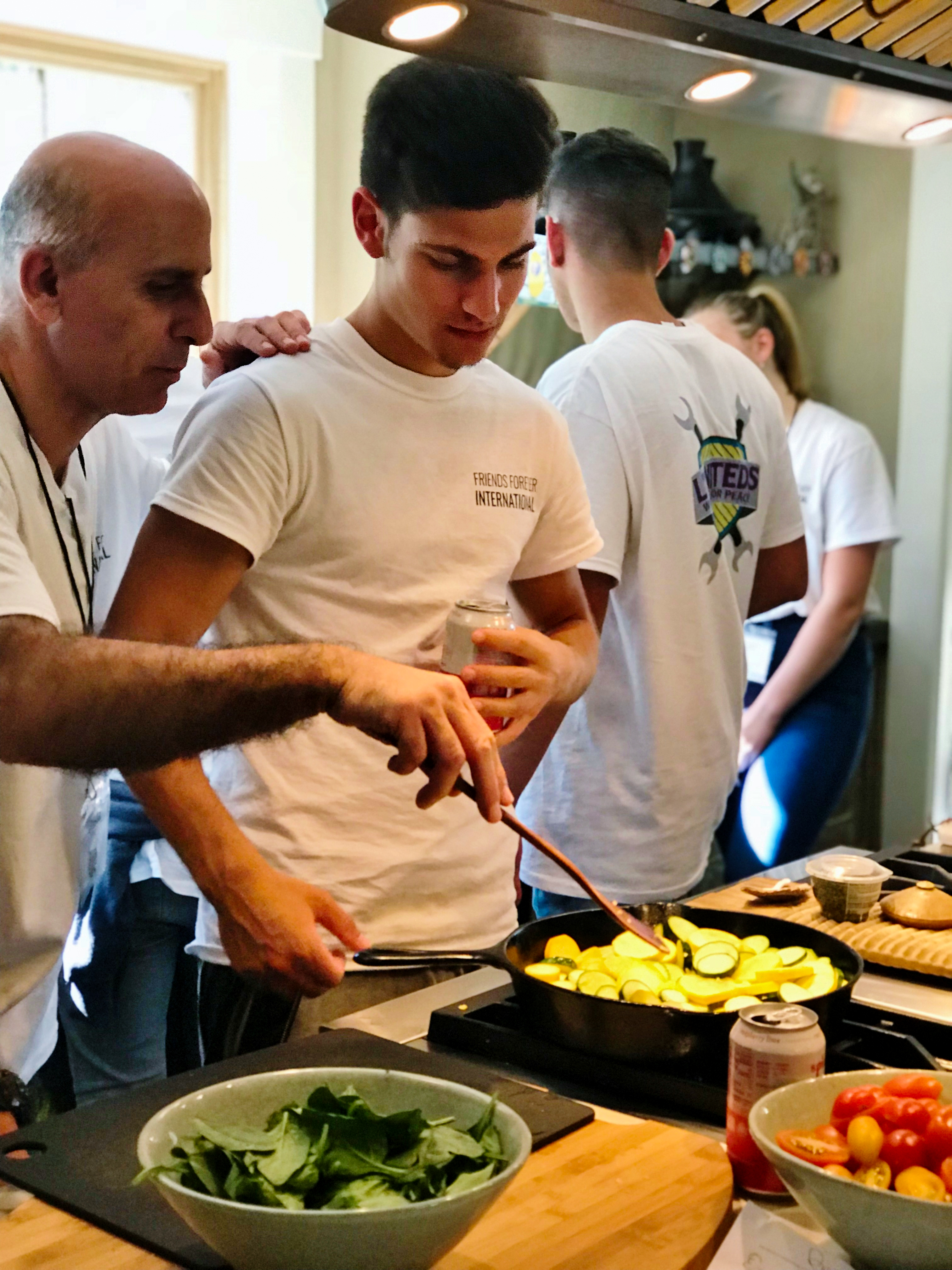
Learning in the kitchen
A shared meal takes planning, communication and effort. Who is cooking? What does someone need help with? How do we make sure everyone has enough?
These are small decisions with immediate consequences for other people. They give participants a way to practise the same responsibility and consideration we ask of them throughout the program.
Food also opens a conversation about culture, farming, animal ethics and the environment. Participants can ask questions, share their own traditions and learn how to prepare something new.
Preparing meals without raw meat, poultry or fish removes the need for young cooks to handle those ingredients and manage their cross contamination risks. Young people learn to cook responsibly, with clean hands and equipment, washed produce, safe knife skills, appropriate cooking and prompt refrigeration.
FDA produce safety guidanceOur program food routine
During youth programs, we do not have soda, energy drinks, candy or coffee. Shared meals, water and regular routines are part of how we care for ourselves and the group.
Participants do not need to follow these routines at home to join us. The program offers time to try a different pattern and notice how it feels.
Plant based meals are part of our approach to healthy living, alongside time away from phones, daily mindfulness, meditation and yoga. Explore our healthy living approach.
Before you arrive
You do not have to eat this way at home to join FFI. Come ready to participate, try new things and talk with us about what you need.
Ask the programs teamProgram meals do not contain meat, fish, dairy or eggs. We use plant ingredients and ask participants to take part in the meals and shared routines during their program.
No. FFI serves plant based meals during the program. You are welcome to bring questions and your own experience to the conversation.
Leadership includes noticing how our actions affect others. Food gives us a familiar, practical way to explore that responsibility and make decisions together.
Learning beyond the classroom
At an animal sanctuary, the discussion becomes personal. Participants meet rescued animals, hear their stories and consider what care and responsibility look like in practice.
Our Compassionate Cuisine group visited Unity Farm Sanctuary as part of exploring the connections between food, animal welfare and our everyday choices. Those encounters give students something real to bring back to the kitchen and the classroom.
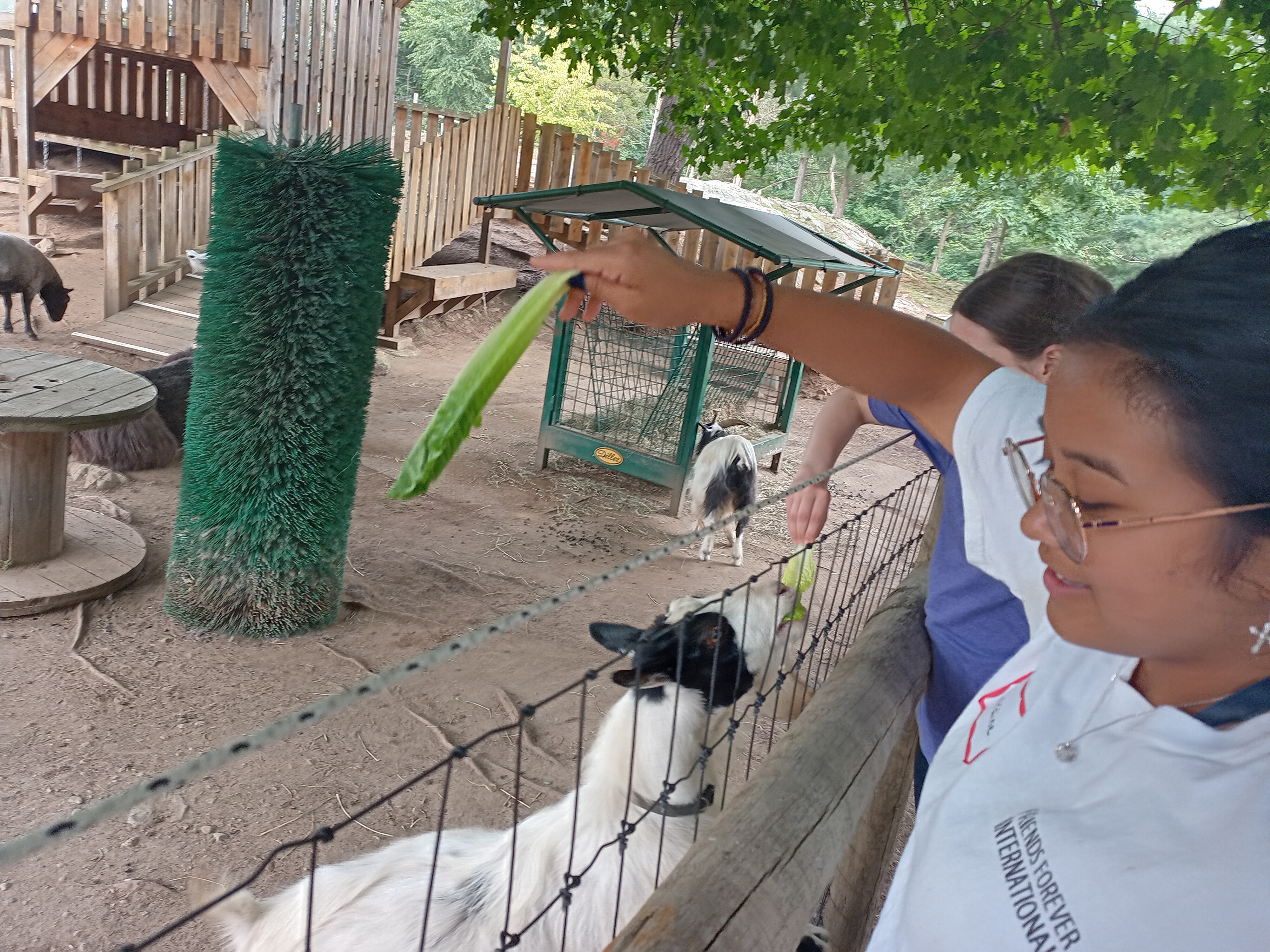
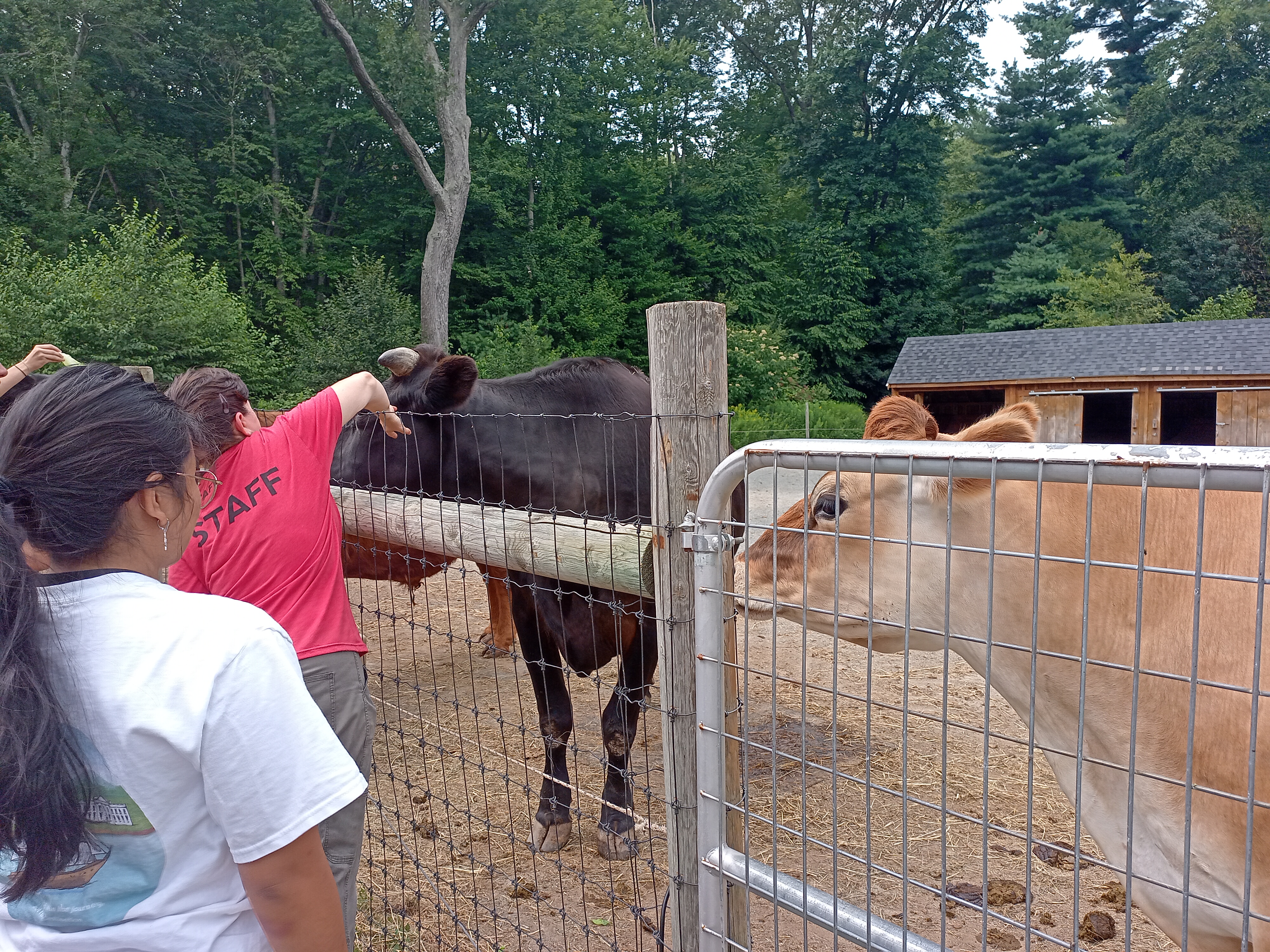
Meeting rescued animals at Unity Farm Sanctuary.
High school credit. Questions that matter.
To our knowledge, FFI is the only provider in the United States offering dedicated high school credit courses in both plant based eating and animal ethics.
These subjects belong in education. Young people can investigate the science, weigh different perspectives and learn practical skills, then connect what they discover with choices in their own lives.
Health credit
Explore nutrition and environmental impacts, learn from food professionals, prepare recipes and discover resources in the community.
Biological Science credit
Investigate animal cognition, welfare and rights, and examine our responsibilities in food production, research and everyday human relationships with animals.
Approved through New Hampshire’s Learn Everywhere program. Course availability depends on the program and student interest.
Explore the courses · How high school credit worksFood and the planet
“Our dietary choices have a big impact on the planet.”
Professor Peter Scarborough · University of Oxford